Planning hiking, camping or rural travel in TBE-risk parts of Europe or Asia? Get tick-borne encephalitis vaccine advice in Bristol before you go.
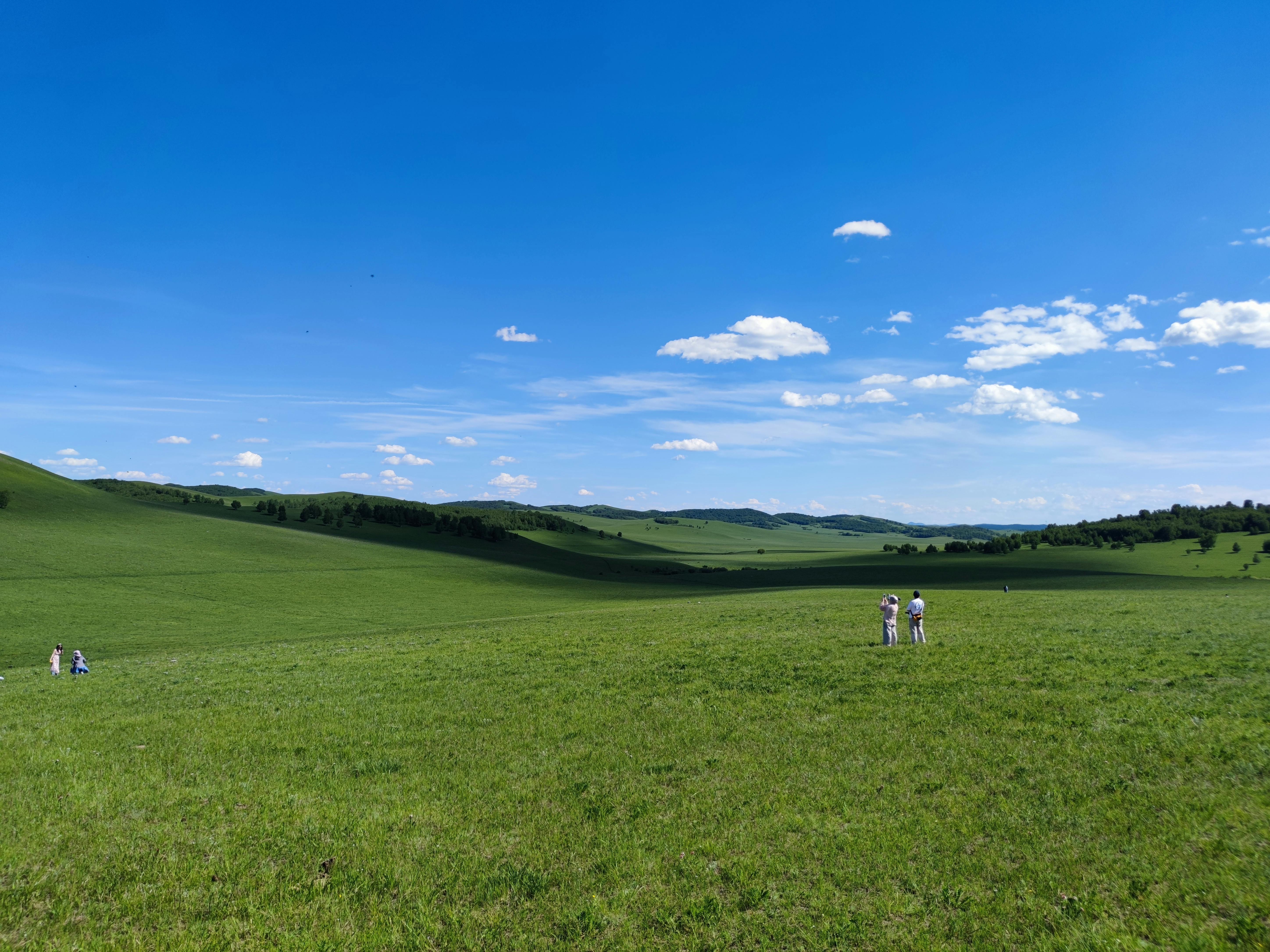
For trips where ticks are part of the itinerary
A walking holiday in Austria, a camping trip in Sweden, fieldwork in the Baltics, or rural travel across parts of Asia can bring tick-borne encephalitis into the conversation. At Bristol Independent Clinic in Bristol, we assess whether the vaccine fits your route, season and activities, then explain the timing clearly. This page covers what TBE is, where it matters, and how the vaccination course usually works.
A tick-borne virus that can affect the brain and nerves
Tick-borne encephalitis, usually shortened to TBE, is a viral infection spread mainly through the bite of an infected Ixodes tick. Less commonly, people can catch it from unpasteurised milk or dairy products from infected animals. Many infections cause no symptoms, or only a short flu-like illness, which is one reason the risk can be easy to underestimate. The cases that matter most are the ones that reach the central nervous system. TBE can cause meningitis, encephalitis, or inflammation affecting the brain, its lining and sometimes the spinal cord. Symptoms may start with fever, tiredness, headache and muscle aches, then settle before a second, more serious phase begins. There is no specific antiviral treatment for TBE. Care is supportive, and severe cases may need hospital treatment. For travellers, the main issue is exposure: woodland paths, forest edges, long grass, campsites, meadows and even some city parks in affected areas can all put ticks within reach.
How the TBE vaccine course works
The tick-borne encephalitis vaccine is used before travel to lower the risk of TBE in people likely to be exposed to infected ticks. It is an inactivated vaccine, given by injection. In the UK, age-appropriate versions are used for adults and for children over one year of age, with suitability checked during the consultation. The standard course is three doses. The first two are usually given 1 to 3 months apart, and the third follows several months later. If you are travelling sooner, an accelerated option may allow the second dose to be given after 2 weeks, which is often the practical minimum people need to know before booking. A booster may be advised if you remain at risk; after a completed course, the first booster is generally due within 3 years. The vaccine does not stop ticks biting you, and it does not protect against other tick-borne infections such as Lyme disease. Bite avoidance still matters: long trousers, repellent, checking your skin, and removing ticks properly. Common side effects are usually mild and short-lived, such as a sore arm, redness, swelling, tiredness, headache, muscle aches or feeling generally off for a day or two.
Countries where TBE risk comes up in travel consultations
TBE is reported across a broad belt from western and northern Europe through to northern and eastern Asia. In Europe, it is often discussed for travellers spending time outdoors in parts of Austria, Germany, Switzerland, the Czech Republic, Slovakia, Slovenia, the Baltic states, Poland, Sweden, Finland and other affected areas. Further east, risk areas extend through parts of Russia and into northern and eastern Asia. Season matters. In much of Europe, tick activity is higher from spring through autumn, although local patterns vary. The vaccine is more likely to be relevant if your plans involve hiking, camping, cycling, hunting, fieldwork, forestry, rural stays or repeated time in woodland and grassland. Short trips are not automatically risk-free, but a city weekend with no outdoor exposure is a different proposition from two weeks in forest cabins.
Plan it while your dates are still flexible
The TBE course rewards a bit of notice. If you are travelling from Clifton, Redland or elsewhere nearby, book a travel health appointment once your destination, season and activities are clear. We can check whether tick-borne encephalitis vaccination is sensible for your trip, explain the dosing options, and fit it around any other travel vaccines you may need.
Frequently asked
How soon before travel should I start the tick-borne encephalitis vaccine?
Start as early as you can, especially if you want the standard three-dose course spaced out properly. If your trip is closer, an accelerated schedule may be possible, with the second dose given after 2 weeks. We can advise based on your departure date and how much tick exposure your plans involve.
Do I need the TBE vaccine for a normal city break in Europe?
Usually not, if you are staying in cities and not spending time in woodland, long grass, rural parks or outdoor areas where ticks are common. The vaccine becomes more relevant for hiking, camping, cycling, forestry work, fieldwork or longer rural stays in affected regions. Your itinerary matters more than the country name alone.
Can children have the tick-borne encephalitis vaccine?
Yes, children can be assessed for TBE vaccination, and an age-appropriate vaccine is used for younger patients. The decision depends on the child’s age, destination, planned activities and medical history. Bring the trip details and any vaccine history to the appointment if you have it.
Is the TBE vaccine suitable if I am pregnant or breastfeeding?
Pregnancy and breastfeeding need an individual discussion before vaccination. The pharmacist will weigh the likely exposure risk against the available safety information and your travel plans. If risk is low, avoiding tick exposure may be the more sensible approach.
Will the vaccine protect me from all tick-borne diseases?
No. The TBE vaccine protects against tick-borne encephalitis only; it does not prevent tick bites or cover other infections carried by ticks, including Lyme disease. You should still use repellent, cover exposed skin where practical, check your body after outdoor activity, and remove attached ticks promptly with the correct technique.