Destination
Somalia Travel Health Advice
Somalia has high malaria risk, plus polio, measles and food or water risks. Get clear vaccine and prevention advice from our Bristol travel clinic.
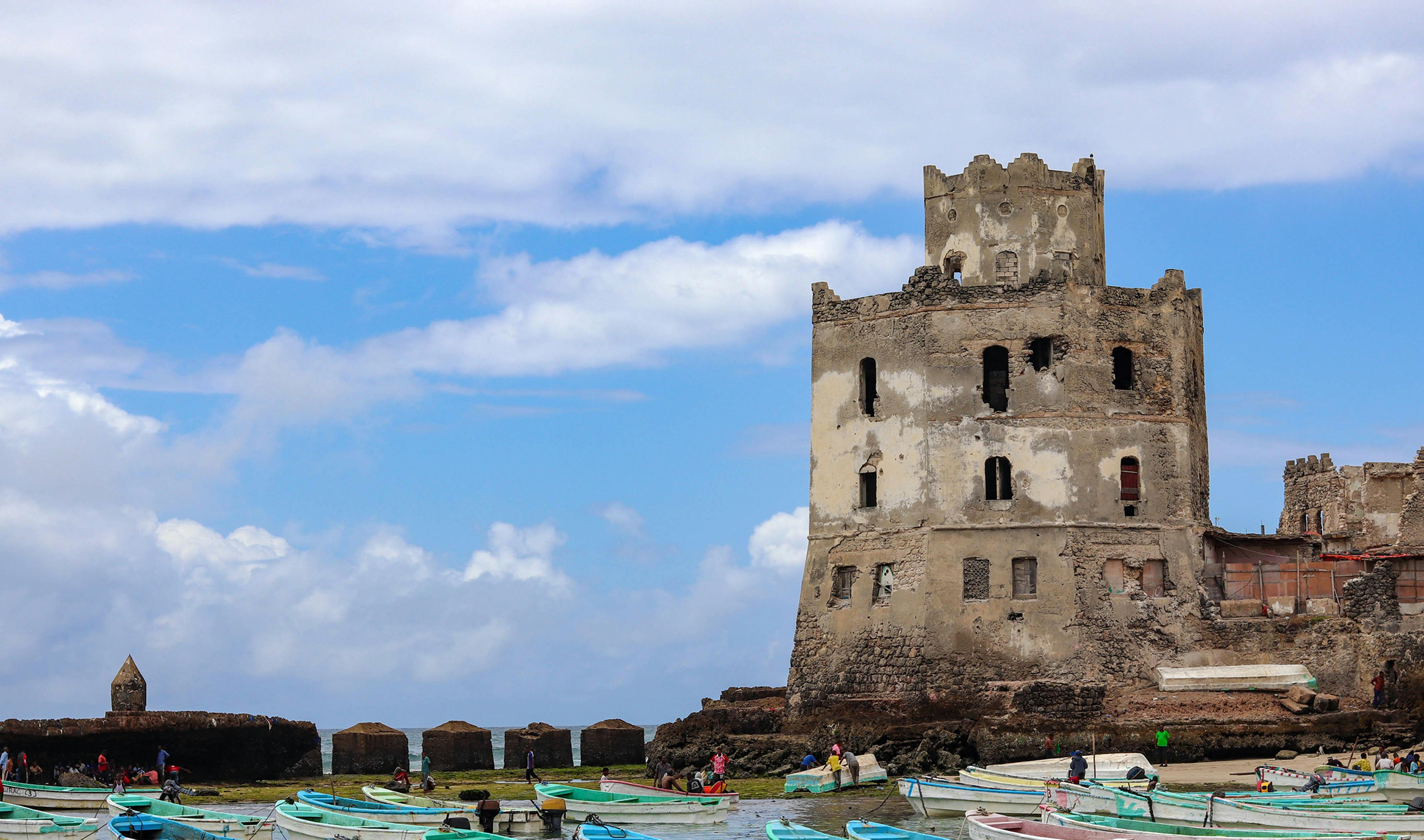
Malaria leads the Somalia briefing
For Somalia, the travel health conversation usually starts with malaria and access to reliable medical care. This is not a destination where a quick vaccine check is enough. Food and water infections, polio, measles, rabies and mosquito-borne illness all need sensible planning, especially for longer stays or family visits. At Bristol Independent Clinic in Bristol, we can talk through your route, your timing and what protection is realistic before you travel.
Family visits, work trips and longer stays change the risk picture
Many UK travellers going to Somalia are not taking a short hotel-based holiday. They may be visiting relatives, travelling for work, joining humanitarian or media projects, or spending time between cities and more remote areas. That matters because the health risks are often linked to length of stay, sanitation, accommodation, animal contact and how quickly you could reach good medical care. A few days in Mogadishu is not the same as several weeks moving between regions, staying with family, eating in homes, or working near displaced communities. Children, pregnant travellers, older adults and people with long-term health conditions need a more careful plan. You should also check current FCDO travel advice, as security issues can affect routes, medical evacuation and whether local healthcare is realistically accessible.
High malaria risk, plus polio and measles in the background
Somalia is classed as a high-risk malaria destination, so antimalarial tablets are usually part of the discussion. The best option is chosen around your medical history, age, pregnancy status, other medicines and how soon you leave. Tablets do not replace bite avoidance. Malaria mosquitoes bite mainly from dusk to dawn, so repellent, long sleeves after sunset and sleeping in screened or air-conditioned rooms still matter. Daytime mosquitoes also deserve attention. Dengue risk is reported in Somalia, and chikungunya has been reported in Sool region. These illnesses are not prevented by standard malaria tablets, so daytime repellent use is still important. Hepatitis A, tetanus and typhoid are commonly relevant because food, water and wound care standards may be variable. Routine UK vaccinations should be checked too, especially MMR and diphtheria-tetanus-polio. Somalia has reported circulating vaccine-derived polio, so some travellers may need a polio-containing booster depending on their situation. Rabies is present, and prompt post-bite treatment may be hard to access. Pre-travel rabies vaccination is worth discussing for children, longer stays, animal contact, cycling, running or travel outside main cities. Hepatitis B may be advised for longer stays, medical work, sexual exposure risk, procedures abroad or close family contact. Cholera vaccination is not for everyone, but it can be relevant for aid work, outbreak areas or limited access to safe water. Yellow fever vaccination is generally not recommended for most Somalia itineraries, although a small subset of travellers to low-potential exposure areas may need specialist discussion.
Give yourself four to six weeks if you can
Book a travel consultation four to six weeks before departure if possible. That gives enough time to review your vaccine record, plan any multi-dose courses and choose malaria tablets without rushing. Short notice is still worth it. Some protection and practical advice can still be useful close to travel. Bring your itinerary, previous vaccination history and a list of regular medicines. If you are visiting family, working in healthcare or aid settings, travelling with children, pregnant, immunosuppressed or staying longer than a month, say so at the start of the appointment. Pack for the risks you are likely to meet: good insect repellent, oral rehydration sachets, basic wound dressings, sunscreen, regular medicines in original packaging and suitable travel insurance. Avoid untreated freshwater because schistosomiasis is a risk, and be strict with food and water hygiene where sanitation is uncertain.
Plan the health side locally
Somalia needs a proper travel health conversation, not a rushed guess at the airport. Bristol Independent Clinic runs pharmacist-led travel appointments from Whiteladies Pharmacy, with advice on vaccines, malaria prevention and practical risk reduction for your route. People come to us from Clifton and Redland as well as the wider city. Book an appointment or call 0117 974 1348 if your departure date is close.
Frequently asked
Do I need vaccines for this trip?
Most travellers should be up to date with routine UK vaccines. The exact additional vaccines depend on your itinerary and health history — bring details of where you'll go so we can give tailored guidance.
How far in advance should I book my appointment?
Aim for 4–6 weeks before travel to allow time for multi-dose vaccines and any course of antimalarials. If you're leaving sooner, still contact us — we can usually provide useful advice and single-dose vaccines at short notice.
Will I need antimalarial tablets?
It depends on where you're going. Tell us your exact itinerary and we'll assess whether you need an antimalarial and which drug suits you.
I'm pregnant — is travel safe?
Pregnancy changes which vaccines and medicines are safe. Contact us early so we can review your plans and give personalised, up-to-date advice.
How do I book?
Book online at /booking or call 0117 974 1348. During booking we'll ask about your destination and travel dates so we can advise the right vaccine and timing.