Destination
Morocco Travel Vaccinations and Health Advice
Rabies, measles, hepatitis A and typhoid are the main Morocco checks. Book a Bristol travel health appointment before Marrakech, Atlas or family visits.
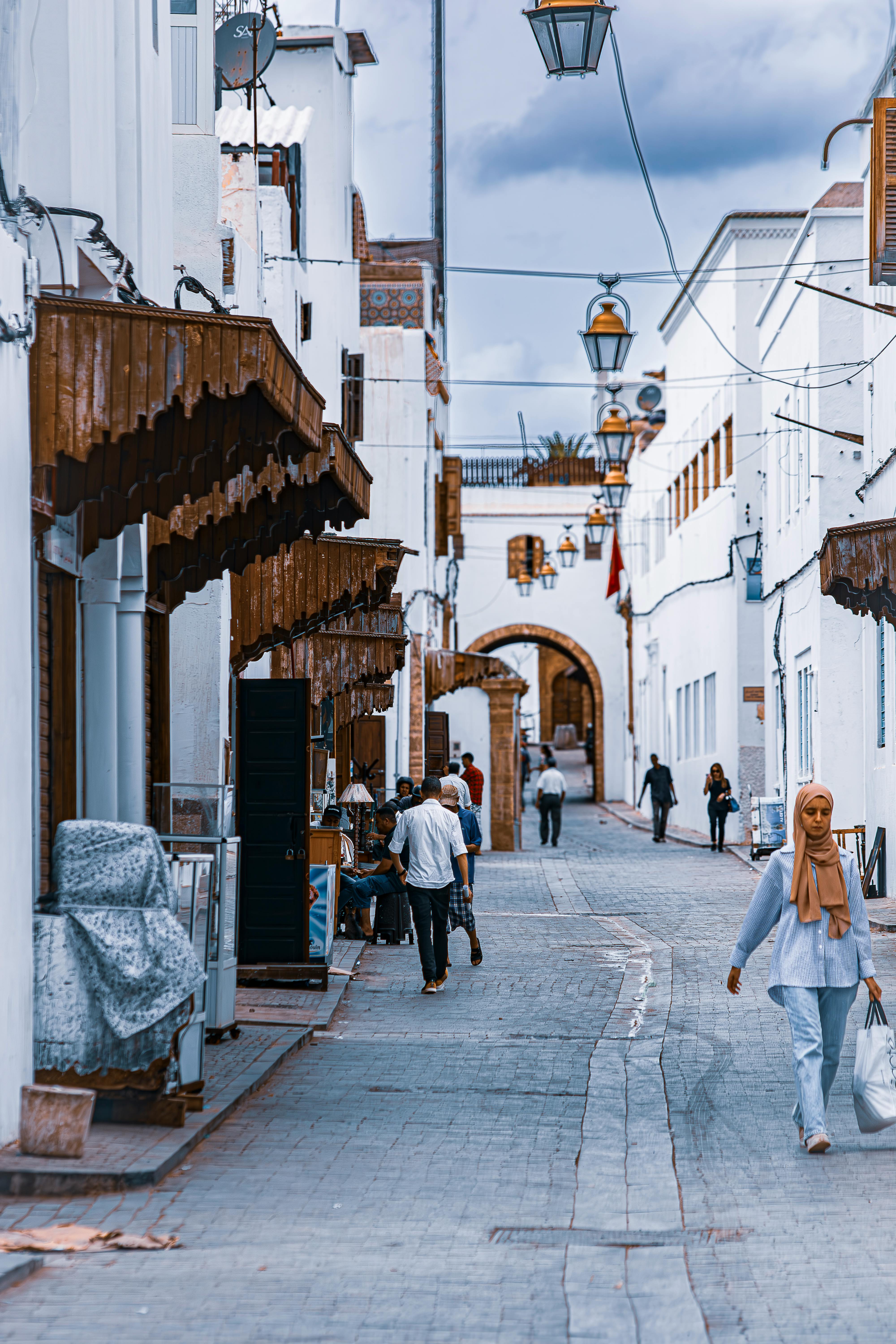
Rabies and measles sit higher on the Morocco checklist
Morocco is close enough to feel familiar, but its travel health profile is not the same as Spain or Portugal. For many UK travellers, the key checks are food and water vaccines, MMR status, animal bite risk and, for the Atlas Mountains, altitude. Bristol Independent Clinic in Bristol can run through your itinerary and vaccination history before you go, without turning a simple trip into a medical drama.
City breaks, desert routes and family visits carry different risks
Most Morocco trips fall into a few clear patterns. Short stays in Marrakech, Agadir, Essaouira, Rabat or Casablanca usually centre on hotels, restaurants, organised tours and day trips. Others include longer road travel, rural stays, trekking in the High Atlas, desert camps near Merzouga or Zagora, or visits to friends and relatives where you may eat in homes and spend more time away from tourist infrastructure. That difference matters clinically. A weekend in a well-run hotel is not the same as a month moving between family homes, rural villages and long-distance buses. Children also change the conversation, especially around measles immunity and animal contact. Morocco is often manageable from a travel health point of view, but it rewards a specific pre-travel check rather than assumptions based on distance from the UK.
Animal bites, MMR status and food hygiene deserve attention
Rabies is a genuine consideration in Morocco, particularly because it has been reported in domestic animals. Dogs are the usual concern, but cats and bats can also matter. Pre-travel rabies vaccination is worth discussing if you are travelling with children, running or cycling, staying longer than a month, working with animals, or heading somewhere where prompt medical care may be harder to reach. Any bite, scratch or lick on broken skin needs urgent medical advice, even if you have been vaccinated before travel. Measles also deserves a proper check. TravelHealthPro has reported significant measles activity in Morocco in 2025, so adults and children should be up to date with MMR according to UK recommendations. This is especially important for families with young children or anyone likely to mix closely with local communities. Hepatitis A is commonly recommended for previously unvaccinated travellers because it spreads through contaminated food and water. Typhoid vaccination is also commonly considered, particularly for longer trips, children, visits to friends and relatives, or travel where food hygiene may be less predictable. Tetanus should be current, especially if you may be trekking, cycling or travelling away from larger towns. Hepatitis B may be relevant for longer stays, medical or dental treatment abroad, new sexual partners, contact sports or work involving blood or body fluids. Malaria tablets are not usually the main Morocco issue. Insect bite prevention still matters, as biting insects and ticks can spread other infections in parts of North Africa. In the High Atlas, altitude sickness is a separate risk, with Mount Toubkal reaching 4,167 metres. Freshwater schistosomiasis is considered very low risk, but avoiding swimming or wading in untreated freshwater remains sensible.
What to do before you travel
Book your travel health appointment 4 to 6 weeks before departure if you can. That gives time to check your routine UK vaccines, discuss hepatitis A, typhoid, rabies and any other relevant vaccines, and plan around children, pregnancy, medical conditions or medicines. A later appointment is still useful if the trip is close. Bring your itinerary, not just the word “Morocco”. Marrakech plus a day trip to the Atlas is a different discussion from three weeks staying with family or a Toubkal trek. Mention desert camping, rural travel, cycling, animal work, planned medical treatment, and whether you have vaccine records. Pack practical basics too: reliable insect repellent, sun protection, oral rehydration sachets, any regular medicines in original packaging, and travel insurance that fits the trip. For food and water, be stricter where hygiene is uncertain. Choose hot freshly cooked food, be careful with salads and ice, and use sealed or properly treated water.
A local check before Morocco
If Morocco is booked, a short travel consultation can make the health side clearer. Bristol Independent Clinic can review your vaccine history, route and timing, then advise on what is worth doing before you leave. The clinic is based at Whiteladies Pharmacy on Whatley Road, convenient for Clifton and Redland. Call 0117 974 1348 or book an appointment before your departure date.
Frequently asked
Do I need vaccines for this trip?
Most travellers should be up to date with routine UK vaccines. The exact additional vaccines depend on your itinerary and health history — bring details of where you'll go so we can give tailored guidance.
How far in advance should I book my appointment?
Aim for 4–6 weeks before travel to allow time for multi-dose vaccines and any course of antimalarials. If you're leaving sooner, still contact us — we can usually provide useful advice and single-dose vaccines at short notice.
Will I need antimalarial tablets?
It depends on where you're going. Tell us your exact itinerary and we'll assess whether you need an antimalarial and which drug suits you.
I'm pregnant — is travel safe?
Pregnancy changes which vaccines and medicines are safe. Contact us early so we can review your plans and give personalised, up-to-date advice.
How do I book?
Book online at /booking or call 0117 974 1348. During booking we'll ask about your destination and travel dates so we can advise the right vaccine and timing.